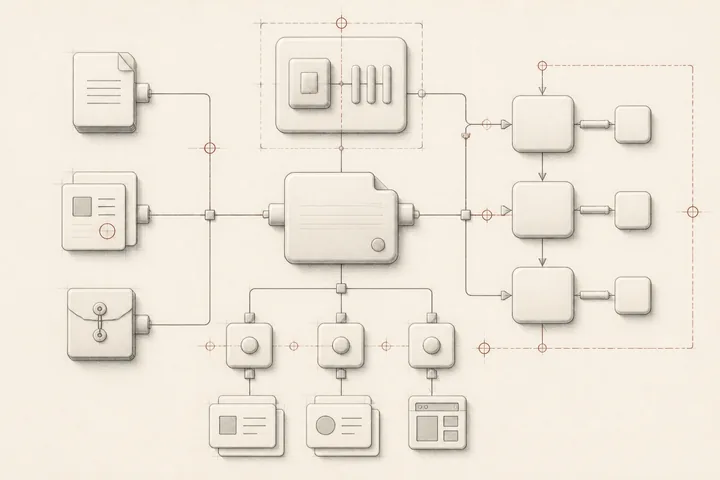
Product development and systems engineering
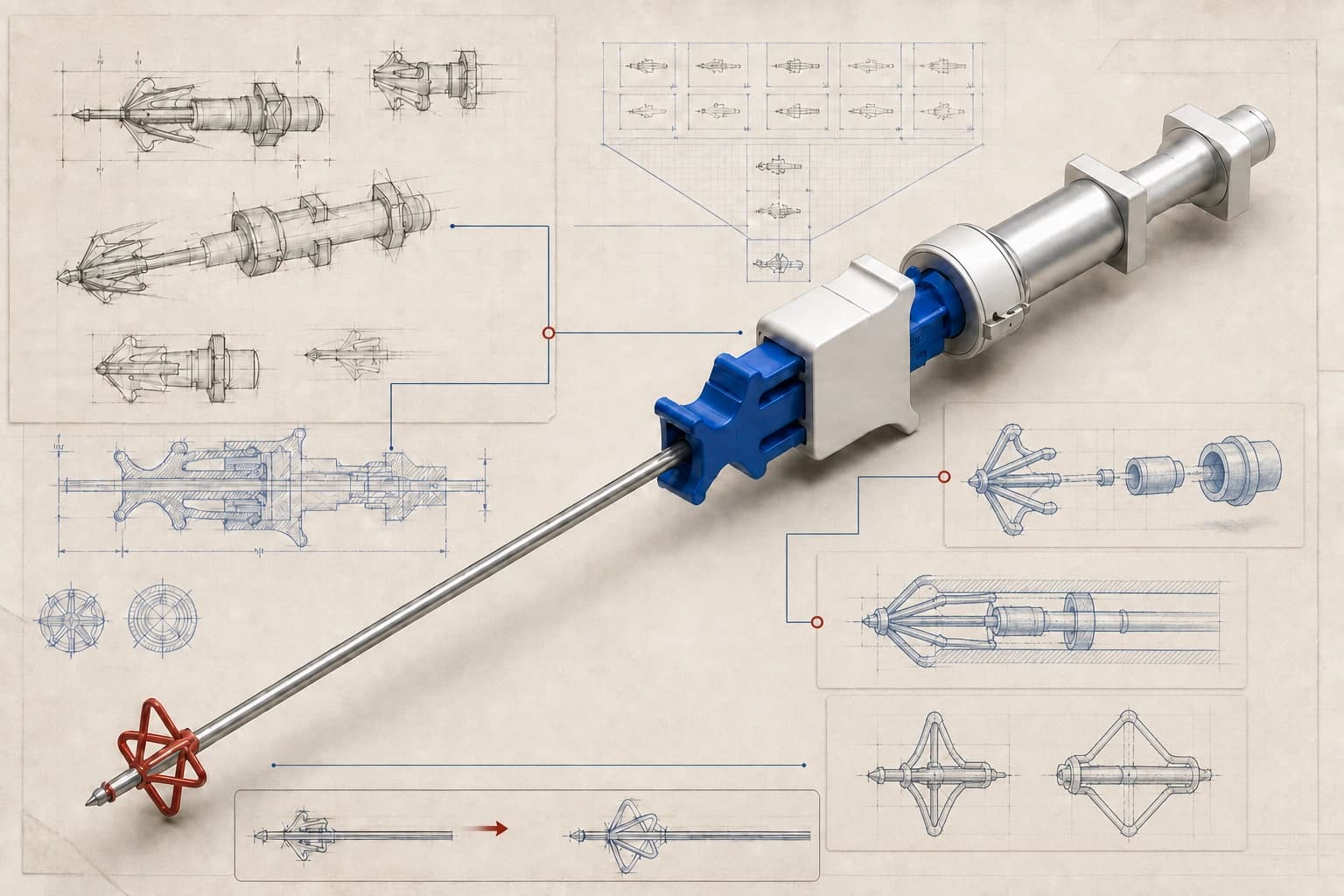
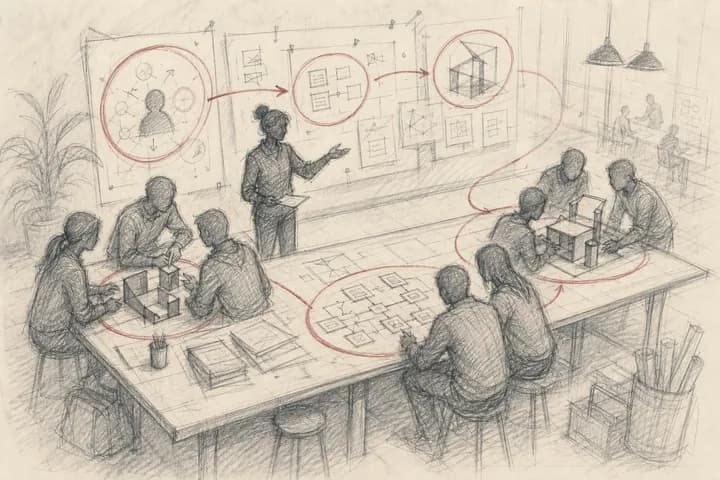
DTU Design and Innovation trained me to connect user needs, technical mechanisms, organizational constraints, prototyping, testing, and implementation.
I turn fragmented data and difficult workflows into testable systems designed to save time, reduce risk, or create new value.
I work across problem definition, product development, enterprise implementation, data structure, and applied AI. My role is to make the underlying system understandable, decide what must remain deterministic, and turn the result into something people can test and use.
DTU Design and Innovation trained me to connect user needs, technical mechanisms, organizational constraints, prototyping, testing, and implementation.
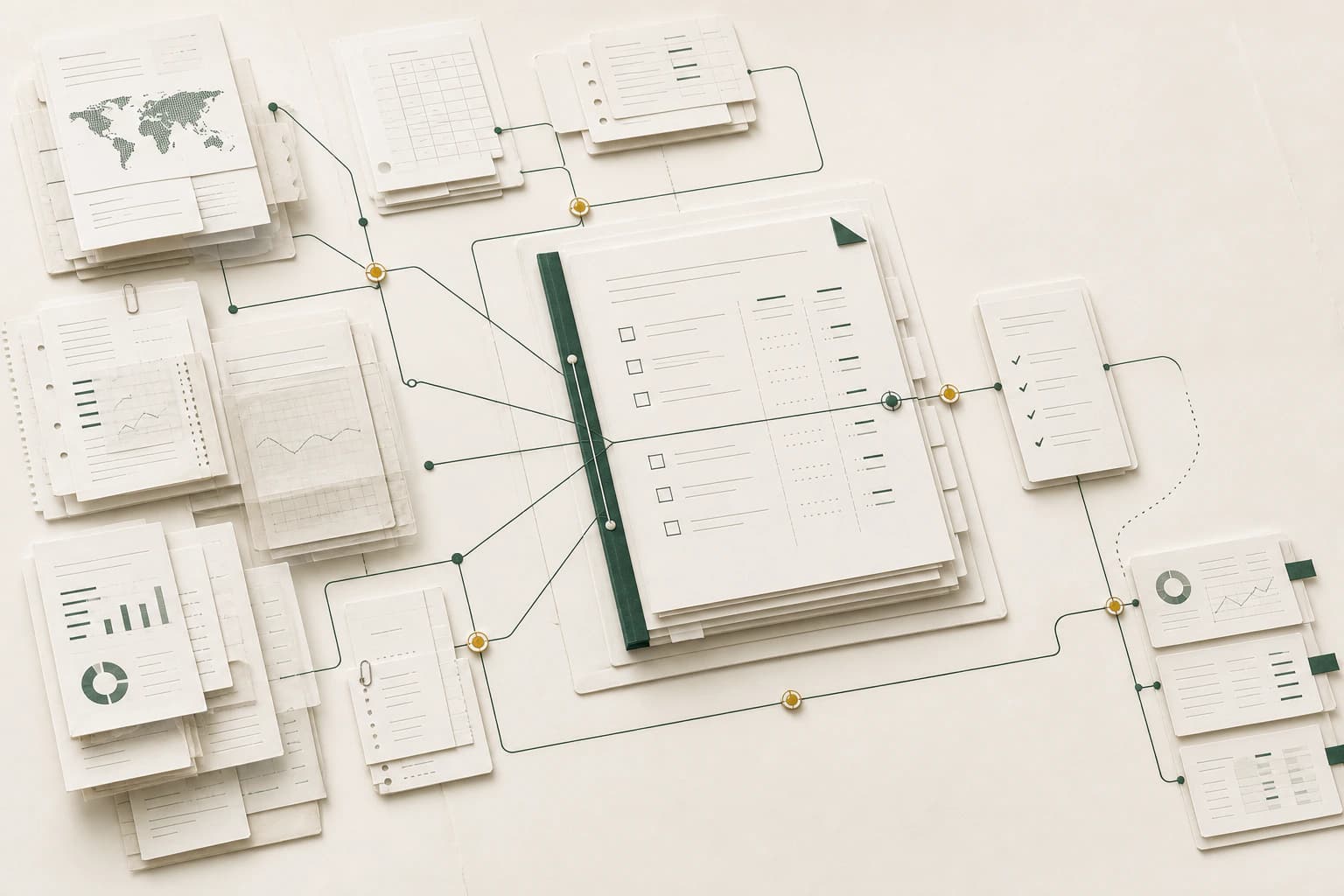
ERP implementation, SaaS workflows, and CRM migration testing taught me that a system only creates value when its data survives change and people can operate the resulting workflow.
OpenHealthAtlas demonstrates how I structure data, deterministic calculations, evidence, privacy boundaries, AI tool access, and acceptance criteria as one product system.
I am most useful where a problem crosses people, data, technology, and implementation—and where the obvious solution is probably not the real one.
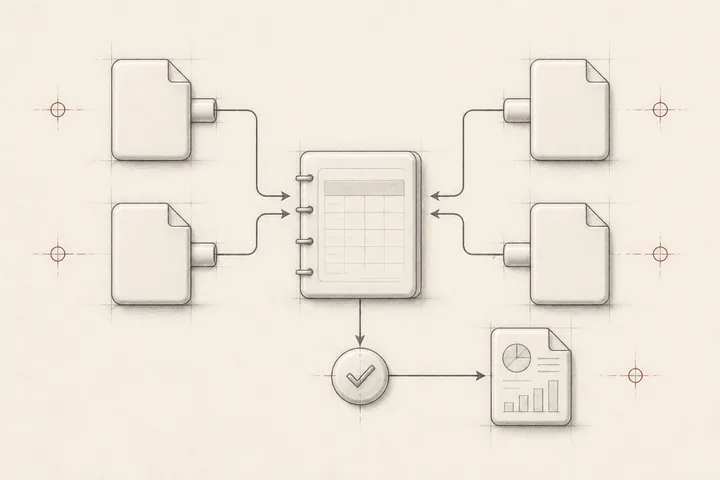
A local-first system that turns fragmented health records into validated calculations and traceable evidence, then gives external Hermes a controlled foundation for interpretation.
Demonstrates: product architecture · deterministic data processing · provenance · responsible AI boundaries · privacy-aware validation
I am interested in customer-facing AI implementation, deployment, product operations, adoption, and transformation roles.
I created and directed the product architecture, evidence model, AI responsibility boundary, validation approach, privacy constraints, acceptance criteria, and user experience through an AI-assisted development process.
Training, sleep, recovery, nutrition, mood, symptoms, laboratory results, habits, and goals often live in separate systems. Looking at each source alone hides relationships that may matter only when timing, context, and data quality are considered together.
Simply aggregating the records would not solve the problem. Before an AI can interpret anything, someone has to resolve identity, units, timing, missingness, readiness, provenance, and the difference between association and causation.
The hard problem was not generating an AI answer. It was deciding what the AI should be allowed to treat as evidence.
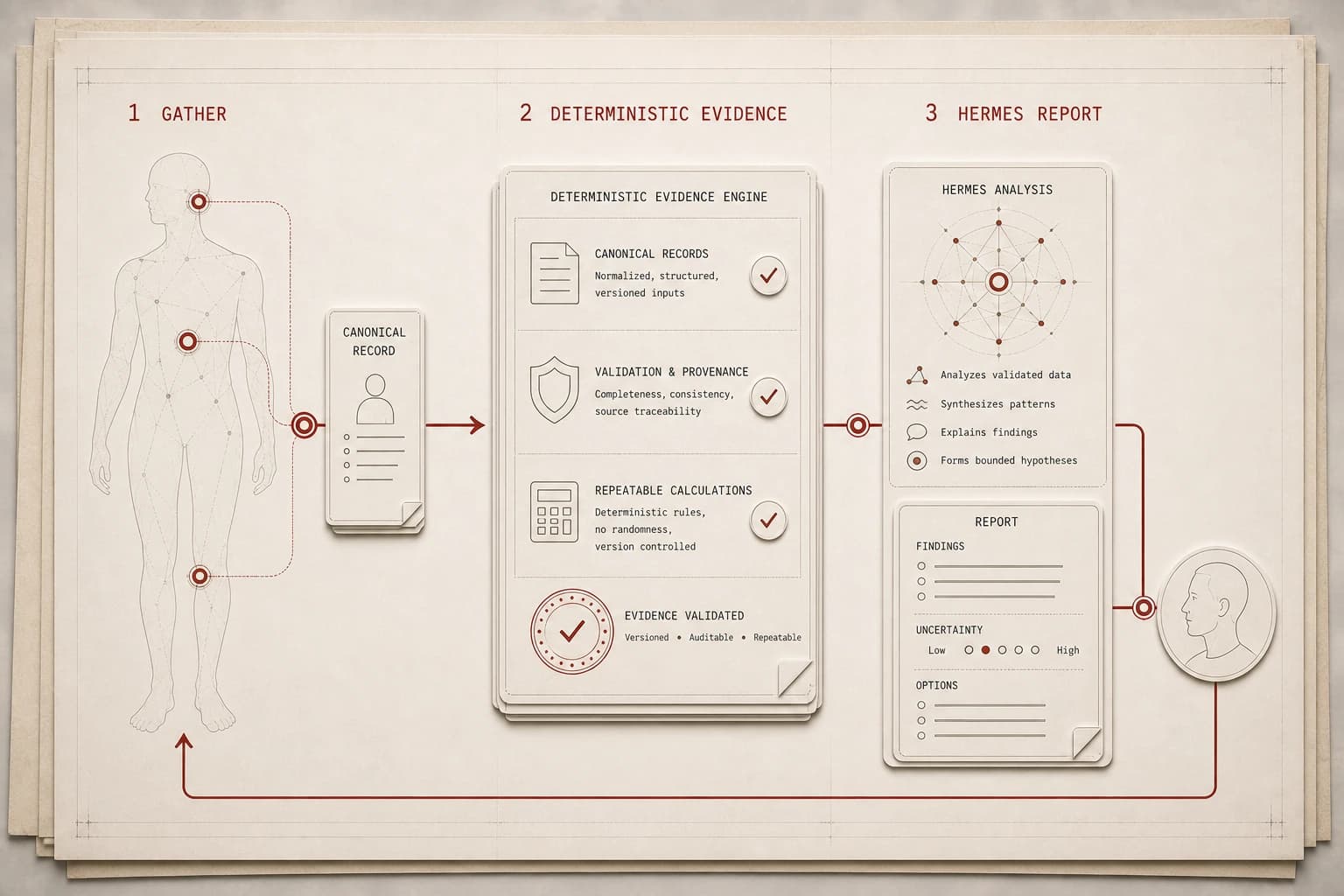
Training, recovery, sleep, nutrition, mood, symptoms, labs, habits, and goals arrive with different identities, units, times, and levels of completeness.
OpenHealthAtlas gives every observation an explicit source, identity, timestamp, unit, and bounded meaning.
Registered definitions transform records into a bounded, time-aware frame with visible coverage, transformations, and missingness.
The system decides whether the evidence is sufficient. Missing evidence remains insufficient_data; it is never silently converted into a result.
Ordinary software performs deterministic calculations, statistics, bounded associations, stability checks, and interactions. Association is not causation.
Findings retain sources, time ranges, transformations, fingerprints, ancestry, limitations, and weakening evidence.
Hermes understands the question, selects tools, combines evidence, ranks plausible explanations, and identifies useful next questions.
Facts, calculations, AI hypotheses, uncertainty, and source references stay visibly separate and inspectable.
The AI may interpret governed evidence. It does not become the database, calculator, provenance system, and source of truth at the same time.
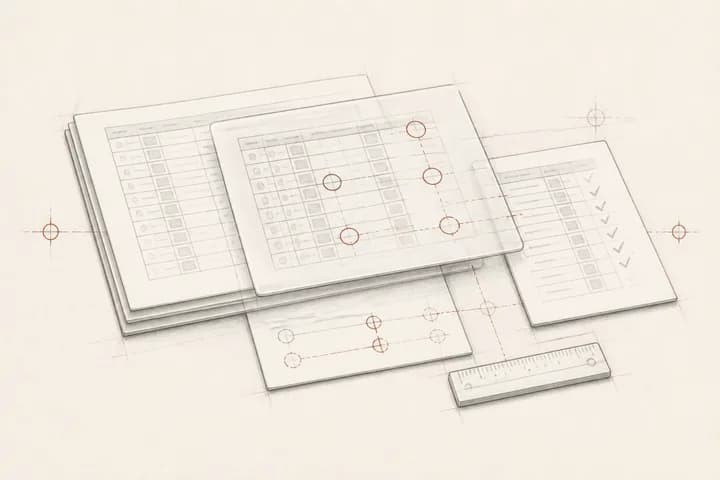
Shows which components are eligible, which are missing, and why an overall result cannot be calculated.
Proves:Missingness, refusal to guess, source consistency.
Compares bounded fictional groups, ranks deterministic associations, and replays exact selected evidence.
Proves:Reproducible calculations, caveats, evidence replay.
Shows sources, time ranges, transformations, fingerprints, evidence, and limitations.
Proves:Traceable findings and inspectable reasoning.
I separated deterministic data work from model reasoning. OpenHealthAtlas establishes records and evidence; Hermes handles conversation and interpretation.
The repository accumulated synthetic interpretation machinery that risked becoming a second reasoning system. I restored the external-Hermes boundary.
I do not present associations as causes, hypotheses as diagnoses, fictional evidence as private-data proof, or a reference implementation as a production service.
One bounded external workflow with a real baseline, measurable result, and independent organizational evaluation.
Potential value to test: less manual assembly, more consistent definitions, faster detection of missing data, more traceable decisions, and new opportunities found in existing organizational information.
I start with a fragmented problem, define the underlying system, decide what must be deterministic, create the smallest inspectable evidence path, and use AI where interpretation adds value without letting it replace the truth.
If your organization has valuable information trapped across systems, unclear definitions, or AI workflows that are difficult to trust, I would be interested in the problem.